

How to prepare for an EKG is one of the most common questions patients ask before their appointment. If you have never had this test before, it is normal to feel a little nervous. The good news is that an EKG is simple, painless, and quick.
This guide explains everything in clear, easy language so you know what an EKG is, why it is done, how to get ready, and what will happen during your visit.

What Is an EKG (ECG) Test?
An electrocardiogram, also called an EKG or ECG, is a test that checks the electrical activity of your heart. Every heartbeat creates a small electrical signal. The EKG records these signals and turns them into a graph that your provider can read.
An EKG helps your medical team understand:
- How fast your heart is beating
- If your heart rhythm is steady or irregular
- If your heart is under stress or strain
This test does not send electricity into your body. It only records what your heart is already doing.
If your provider has recommended an EKG, scheduling early can help give you peace of mind and answers sooner.
How Does an EKG Test Work?
Small sticky patches called electrodes are placed on your chest, arms, and legs. These patches connect to wires that send information to the EKG machine.
The machine records your heart’s electrical signals and creates a wave pattern. Your provider reviews this pattern to look for anything unusual.
There are different types of EKG tests:
- Resting EKG, done while lying still
- Stress EKG, done while walking on a treadmill
- Portable monitors like Holter or event monitors for longer tracking
Most people only need a resting EKG.
How to Prepare for an EKG Test
Most EKGs require very little preparation. You can usually eat and drink as normal unless your provider tells you otherwise.
What You Can Do Before Your Appointment
- Arrive a few minutes early
- Bring a list of medications and supplements
- Wear loose, comfortable clothing
- Try to relax and breathe normally
Skin Preparation Tips
- Do not use lotions, oils, or powders on your chest
- You may need small areas shaved so patches stick well
Medications and Supplements
Always tell your provider what you take, even vitamins or herbal products. Some medicines can affect heart rhythm.
Not sure if you need to stop any medications before your EKG? Call our team and we will guide you.
What to Avoid Before an EKG
To get the most accurate results, avoid:
- Caffeine
- Smoking or vaping
- Heavy exercise right before your test
- Applying creams or body oils
These can change your heart rate and interfere with results.
Your Health Matters
Book an appointment with our team today
What to Expect During an EKG Test
During your EKG:
- You will lie flat on an exam table
- Electrodes are placed on your chest, arms, and legs
- You remain still and breathe normally
- The recording lasts only a few seconds
You will not feel the electrical signals.
How Long Does an EKG Take?
- Setup time: about 5 to 10 minutes
- Actual recording: a few seconds
Most appointments are finished within 15 minutes.
Is an EKG Painful or Uncomfortable?
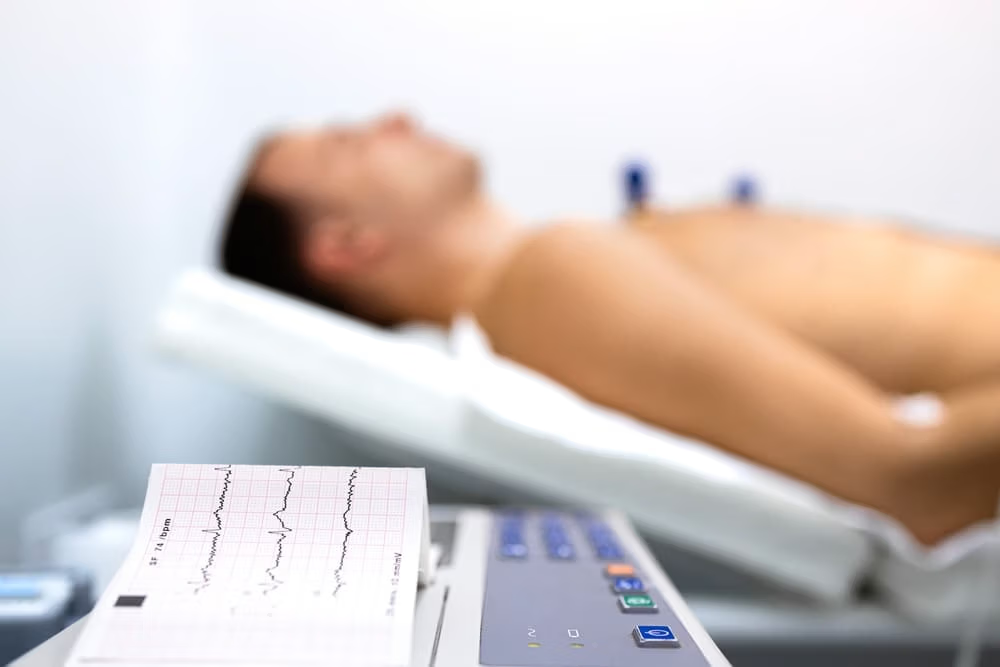
An EKG is painless. You may feel mild pulling when the patches are removed, similar to taking off a bandage.
Are There Any Risks or Side Effects?
EKGs are extremely safe. Possible minor effects include:
- Mild skin redness
- Slight irritation from adhesive
There is no risk of electric shock.
What Happens After Your EKG?
After the test:
- Electrodes are removed
- You can return to normal activities
- Your provider reviews the results
Some results are available the same day. Others may be discussed at a follow-up visit.
Understanding Your EKG Results
Your provider will explain whether your results are normal or show concerns.
If something unusual appears, your provider may recommend:
- Additional testing
- Medication
- Lifestyle changes
- Referral to a heart specialist
Only a qualified medical professional can interpret EKG results accurately.
Are Smartwatches or Home EKGs Reliable?
Some smartwatches can check heart rhythm and detect certain irregular beats. They can be helpful but do not replace medical-grade EKGs.
A clinical EKG provides more detailed and reliable information.
When to Seek Immediate Medical Care
Call 911 or seek emergency care if you have:
- Chest pain
- Severe shortness of breath
- Fainting
- Sudden weakness or numbness
Why Choose AV Medical Center for Your EKG Test in Fort Pierce, FL

Choosing the right medical team for your EKG matters. At AV Medical Center, we focus on accurate testing, clear communication, and compassionate care so you feel confident at every step.
- Years of combined clinical experience in heart diagnostics
- Experienced medical providers with advanced cardiac training
- Modern diagnostic equipment for precise results
- Patient-centered approach with unrushed appointments
- Trusted by the Fort Pierce community for quality medical care
We proudly care for patients from Fort Pierce and nearby communities such as Port St. Lucie, Vero Beach, Jensen Beach, Stuart, and surrounding areas.
Schedule Your EKG Test Today
If you need an EKG or have questions about your heart health, the team at AV Medical Center in Fort Pierce, FL is here to help.
Call today to schedule your EKG test and take an important step toward protecting your heart.