

Sample collection in the laboratory is one of the most important steps in medical testing. The way a sample is collected, labeled, stored, and processed directly affects how accurate your test results will be.
At a medical clinic or healthcare center, trained professionals follow strict procedures to make sure every sample is handled with care. Whether you are having blood work, a urine test, or another type of lab test, understanding what happens behind the scenes can help you feel more comfortable and confident.
This guide explains, in simple terms, how sample collection works, what you can expect, and how in-house lab testing helps deliver faster and more reliable results.

What is Sample Collection in the Laboratory?
Sample collection in the laboratory refers to the process of obtaining a small amount of blood, fluid, tissue, or other material from the body so it can be tested. These samples help healthcare providers:
- Detect illnesses
- Monitor ongoing conditions
- Check how well treatments are working
- Screen for infections or deficiencies
Each sample type requires a specific method to ensure it remains clean and usable for testing.
Why Proper Sample Collection Is Critical for Accurate Test Results
Even the most advanced laboratory equipment cannot produce accurate results if a sample is collected incorrectly. Proper sample collection helps:
- Prevent contamination
- Maintain the right sample volume
- Protect delicate cells and substances
- Ensure correct identification
Small mistakes at this stage can lead to delays, repeated testing, or misleading results.
If you need reliable lab testing with careful handling from start to finish, schedule your in-house lab testing appointment today.
If you need reliable lab testing with careful handling from start to finish
schedule your in-house lab testing appointment with AV Medical Center today.
Where and How Laboratory Samples Are Collected
At-Home Sample Collection
Some samples can be collected at home, such as:
- Stool samples
- Certain urine samples
- Saliva samples
Patients receive clear instructions on how to collect and store these samples before bringing them to the clinic.
Sample Collection at Clinics and Medical Offices
Most samples are collected by trained medical staff in a clinical setting. This ensures proper technique and labeling.
Sample Collection in In-House Laboratories
In-house lab testing allows samples to be collected and processed in the same facility, reducing transport time and improving turnaround speed.
Preparing for Sample Collection

What to Bring to Your Appointment
- Photo ID
- Insurance card
- Test order if provided
Common Types of Samples Collected in the Laboratory
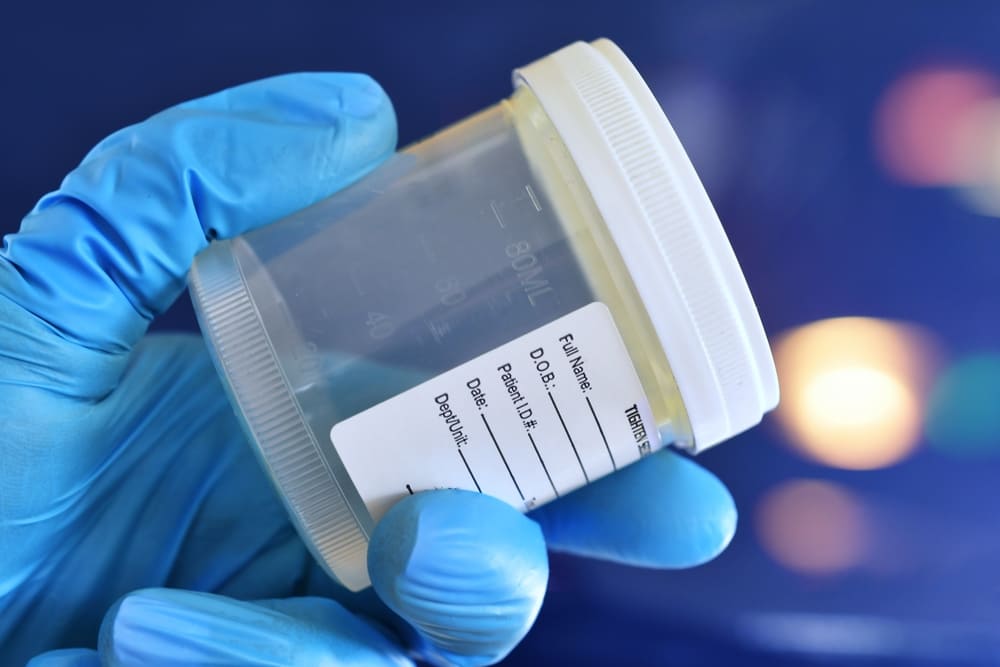
Samples Naturally Eliminated from the Body
- Urine
- Stool
- Sputum (mucus from lungs)
- Semen
- Saliva
- Oral fluid
- Sweat

Samples That Are Easy to Obtain
- Throat and nasal swabs
- Vaginal and cervical samples
- Wound and sore swabs
- Hair and nail samples
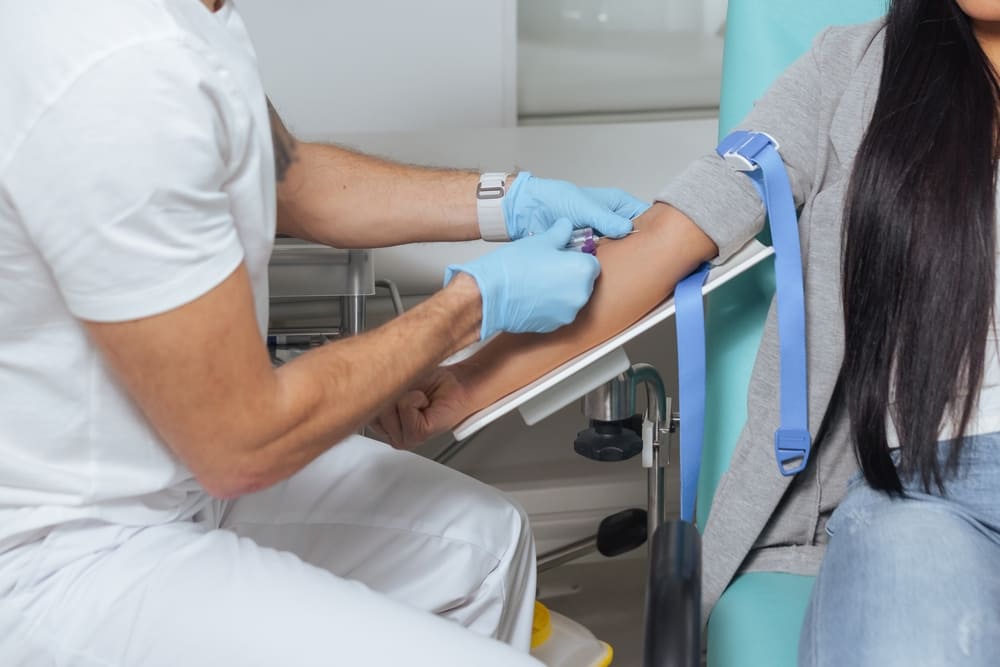
Samples Collected from Within the Body
- Blood
- Tissue biopsies
- Cerebrospinal fluid (CSF)
- Other body fluids
- Bone marrow
- Amniotic fluid
Each sample type has specific collection and storage requirements.
Step-by-Step: What Happens During Sample Collection
Knowing what happens during sample collection can help reduce anxiety and make the process feel more comfortable. While the exact steps may vary depending on the type of test, most laboratory collections follow the same careful workflow.
1. Patient Verification and Test Confirmation
Before any sample is collected, staff confirm your identity and the specific tests ordered by your healthcare provider. This step ensures that the right test is performed for the right patient.
- Verify your full name and date of birth
- Review the test order from your provider
- Confirm any preparation instructions (such as fasting)
- Answer any last-minute questions you may have
This process helps prevent errors and ensures your results are accurate and reliable.
2. Choosing the Correct Collection Container
Different laboratory tests require different types of containers to keep samples stable and usable.
- Staff select containers designed for your specific test
- Containers are sterile and sealed before use
- Some containers may include special preservatives or additives
- Only approved containers are used for medical testing
Using the proper container protects your sample from contamination or breakdown.
3. Collecting an Adequate Sample Volume
The laboratory needs enough sample material to perform testing correctly. Trained professionals know exactly how much is required.
- Blood draws use calibrated collection tubes
- Urine and stool samples have minimum volume guidelines
- Swabs are collected using proper technique
- Extra care is taken to minimize discomfort
Collecting the right amount the first time helps avoid repeat testing.
4. Immediate Labeling and Documentation
Once the sample is collected, it is labeled right away to maintain correct identification.
- Your name and date of birth are added to the sample
- Date and time of collection are recorded
- Sample type is noted
- Information is entered into the laboratory system
Immediate labeling ensures your sample stays matched to you throughout the entire testing process.
How Samples Are Handled Inside the Laboratory
Once your sample reaches the laboratory, it goes through a series of carefully controlled steps to protect its integrity and prepare it for accurate testing. Each stage is designed to prevent errors and maintain sample quality.
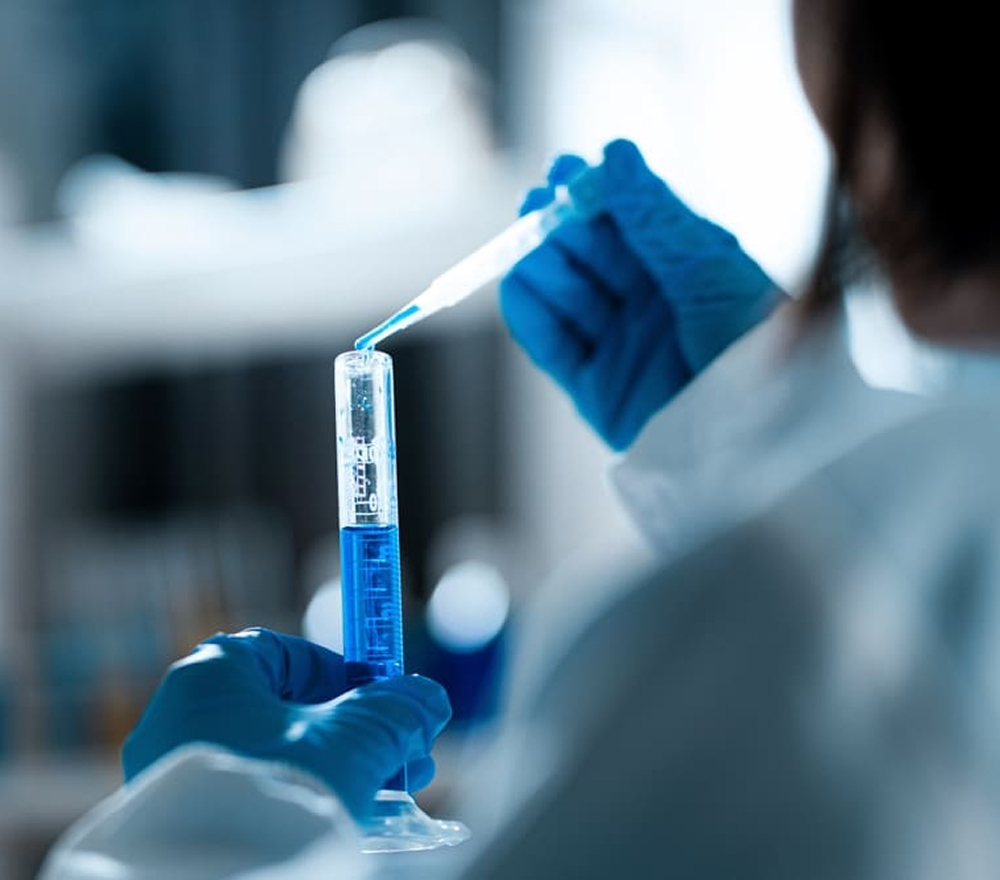
Preventing Errors in Sample Collection and Handling
- Sterile collection tools
- Gentle handling
- Correct labeling
- Secure storage
These steps reduce the risk of sample damage or mix-ups.
Quality and Safety Standards in In-House Lab Testing
In-house laboratories follow strict safety and quality standards to ensure dependable results. Every step, from sample collection to final reporting, is designed to protect patient safety and maintain high testing accuracy.
Sterile Equipment and Clean Environments
Clean conditions reduce the risk of contamination and help preserve sample integrity.
- Single-use, sterile needles, swabs, and containers
- Routine cleaning and disinfection of work areas
- Hand hygiene protocols for staff
- Proper disposal of medical waste
Maintaining a clean environment supports reliable testing and patient safety.
Quality Control Checks
Quality control is built into daily laboratory operations to verify accuracy.
- Regular calibration of laboratory instruments
- Testing of control samples before patient samples
- Monitoring of equipment performance
- Review of results for unexpected values
These checks help catch issues early and prevent incorrect results.
Staff Training and Competency
Only trained professionals perform sample collection and laboratory testing.
- Licensed and certified laboratory personnel
- Ongoing education and skills training
- Competency assessments and performance reviews
- Adherence to established medical guidelines
Experienced staff play a key role in delivering accurate and dependable results.
Fast, accurate lab testing starts with careful sample collection
Book your in-house lab testing appointment today.
What Happens After Your Sample Is Tested
After laboratory testing is complete, several important steps take place before your results are shared. These steps ensure your information is accurate, clear, and ready for your healthcare provider to review.
Result Verification
Laboratory professionals review test results to confirm they meet quality standards.
- Results are checked for accuracy and consistency
- Values are compared with normal reference ranges
- Quality control data is reviewed alongside patient results
- Unusual findings may be rechecked
This verification process helps ensure dependable results.
Reporting to Your Healthcare Provider
Once results are verified, they are securely sent to your healthcare provider.
- Results are entered into your medical record
- Your provider reviews and interprets the findings
- You are contacted with results and next steps
- Results may be discussed during a visit or phone call
Your provider explains what the results mean for your health.
When Additional Testing Is Needed
In some cases, follow-up testing may be recommended.
- To confirm an abnormal result
- To monitor a condition over time
- To gather more detailed information
Your healthcare provider will explain why additional testing is needed and what to expect.
Benefits of In-House Lab Testing for Patients
- Faster results
- Fewer delays
- Reduced risk of lost samples
- Convenient one-location care
Frequently Asked Questions About Sample Collection in the Laboratory
Why Choose AV Medical Center for Preventive Care

Choosing the right medical facility for lab testing matters. At AV Medical Center, we focus on accuracy, patient comfort, and fast results.
- Experienced medical providers and laboratory staff
- Modern in-house laboratory equipment
- Strict safety and quality control procedures
- Same-day and rapid testing options for many services
- Trusted healthcare provider serving the community for many years
- Recognized for patient-centered care and clinical excellence
We proudly serve patients from Fort Pierce and nearby communities such as Port St. Lucie, Vero Beach, White City, and surrounding areas.
Schedule Your In-House Lab Testing Appointment Today
For dependable sample collection in the laboratory and high-quality in-house lab testing, trust the experienced team at AV Medical Center in Fort Pierce, FL.
Call today or request an appointment online to get started.