

How often should you get a Pap smear is one of the most common questions women ask, and the answer is not always what people expect. Many still believe Pap smears are needed every year, but medical guidelines have changed. Knowing the right screening schedule helps you stay protected without unnecessary testing.
A Pap smear test is a simple, preventive exam that can catch changes early, often long before they become serious. This guide explains how often you should get a Pap smear based on your age, health history, and risk factors, in clear and easy-to-understand terms.

What Is a Pap Smear Test?
A Pap smear test checks for changes in the cells of your cervix. These changes can sometimes lead to cervical cancer if they are not found early.
The test helps:
- Detect abnormal cervical cells
- Catch problems before symptoms appear
- Lower the risk of cervical cancer through early treatment
A Pap smear does not diagnose cancer. It is a screening tool that helps your provider decide if further testing is needed. If you are unsure whether you are due for a Pap smear, scheduling a preventive visit can help bring peace of mind.
How Often Should You Get a Pap Smear? Current Guidelines
How often you need a Pap smear depends mostly on your age and your past test results. For most people, screenings are spaced out more than they used to be.
Pap Smear Recommendations by Age
Ages 21 to 29
- Pap smear every 3 years
- HPV testing is not usually needed unless results are unclear
- Cervical cancer is rare at this age, and changes often clear on their own
Ages 30 to 65
You have a few safe options:
- Pap smear alone every 3 years
- HPV test alone every 5 years
- Pap smear and HPV test together every 5 years
Your provider can help choose the best option based on your history.
Age 65 and Older
You may be able to stop Pap smears if:
- You have had normal results for many years
- You have no history of cervical cancer or serious abnormalities
Always confirm this with your healthcare provider.
Not sure which age group you fall into or which test you need? A quick consultation can clarify your screening plan.
Pap Smear vs. HPV Test: What’s the Difference?
These tests are often confused, but they check for different things. A Pap smear looks for abnormal cervical cells and can find changes before cancer develops, while an HPV test looks for high-risk types of HPV and helps identify cancer risk earlier. Many people choose to have both tests together, which can allow for longer screening intervals.

Do You Still Need a Pap Smear Every Year?
No. Annual Pap smears are no longer recommended for most people.
However, yearly wellness visits are still important because they allow you to:
- Talk about changes in your health
- Discuss birth control or menstrual concerns
- Get STI testing if needed
- Address pelvic pain or unusual symptoms
A Pap smear is just one part of overall gynecologic care.
Who May Need Pap Smears More Often?
Some people need closer monitoring. You may need more frequent testing if you:
- Had abnormal Pap results in the past
- Have a history of cervical cancer
- Have a weakened immune system
- Are living with HIV
- Were exposed to DES before birth
Your provider will create a screening plan that fits your situation
Do You Need a Pap Smear If You’ve Had a Hysterectomy?
It depends on the type of hysterectomy.
You may still need Pap smears if:
- Your cervix was not removed
- The surgery was related to cancer
You may not need them if:
- Your cervix was removed for non-cancer reasons
- You have no history of abnormal cervical cells
Always confirm with your provider.
Your Health Matters
Book an appointment with our team today
What to Expect During a Pap Smear Appointment
A Pap smear is quick and usually takes only a few minutes.
Before your visit:
- Try to schedule after your period ends
- Avoid vaginal products for 48 hours
During the exam:
- A speculum is gently placed to view the cervix
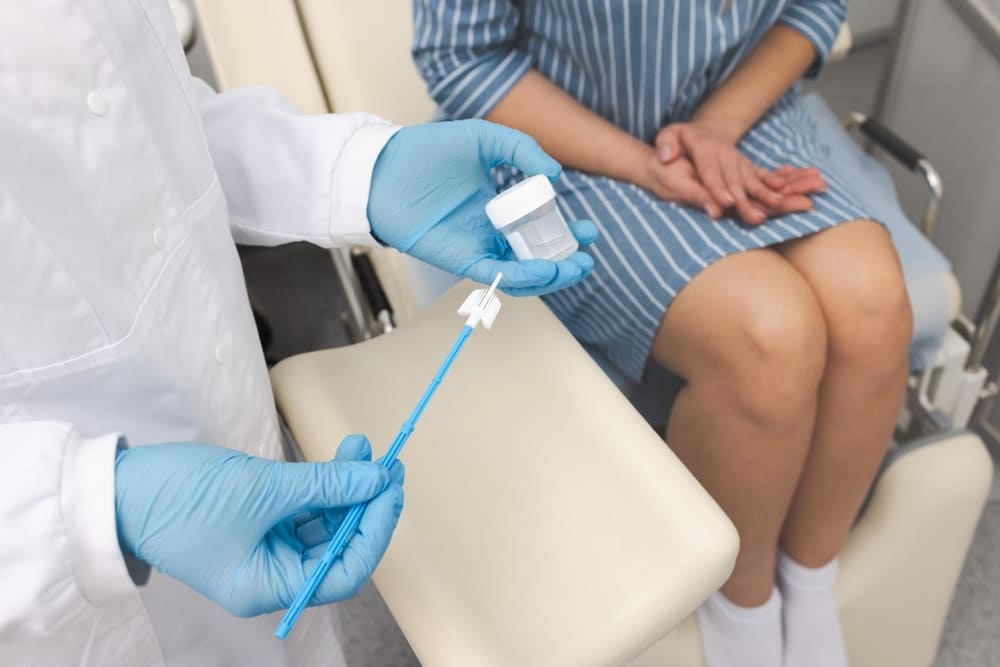
- A small brush collects cervical cells
- Mild pressure may be felt, but pain is uncommon
Afterward:
- Light spotting can happen
- You can return to normal activities
Many patients say the exam is easier than expected and over quickly.
Understanding Your Pap Smear Results
Your results may be:
- Normal: No abnormal cells found
- Unclear: Results are not clear and may need repeat testing
- Abnormal: Cell changes were found and may need follow-up
An abnormal result does not mean cancer. Most changes are treatable when found early.
Why Regular Cervical Screening Is So Important
Pap smears have saved countless lives by catching changes early. When problems are found early:
- Treatment is simpler
- Outcomes are better
- Anxiety is reduced
Preventive care is one of the most powerful tools in women’s health.
When to Schedule Your Pap Smear Test
You may be due if:
- You are 21 or older and have never had one
- It has been more than 3 to 5 years since your last test
- You have had abnormal results before
If you are unsure, your provider can guide you.
Common Pap Smear Questions
Why Choose Us for Pap Smear Testing in Fierce Pierce, FL
Choosing where you receive your Pap smear matters. This is not just a test. It is part of your long-term health. At AV Medical Center, Pap smear testing is focused on comfort, trust, and preventive care.

Why patients choose us:
- Board-certified medical providers with years of experience in women’s health
- Preventive care guided by current screening guidelines
- A calm, private, and respectful environment
- Focus on early detection and patient education
- Trusted by women throughout South Florida
Our team has years of experience providing preventive screenings and wellness-focused care, with a strong reputation for patient satisfaction and safety. We proudly serve patients in Coral Gables, South Miami, Coconut Grove, Pinecrest, and surrounding areas, offering personalized care close to home.
Schedule Your Pap Smear Test Today
If you have been wondering how often should you get a Pap smear, the best next step is a personalized consultation.
Our team is here to provide expert, compassionate care and help you stay proactive about your health. Schedule your Pap Smear Test today and take a confident step toward long-term wellness.